Key TakeawaysAve Maria offers a distinctive blend of faith-based heritage, world-class art, and authentic community experiences that set it apart from typical Naples tourist destinations.Marvel at M

Dated: August 11 2025
Views: 1223
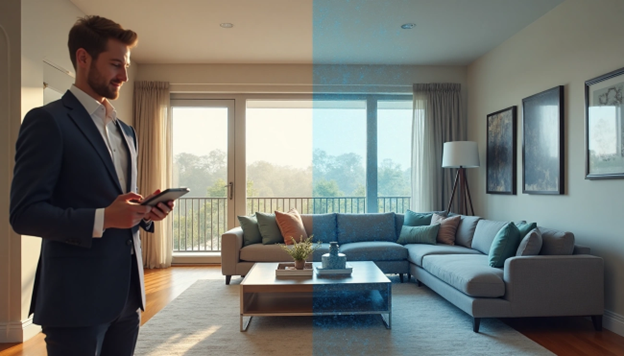
Virtual reality home tours are transforming the real estate market with remarkable results. Recent data shows properties with these immersive digital experiences sell up to 31% faster than traditional listings. The numbers tell an even better story - homes with 3D virtual tours fetch up to 9% higher sale prices. This makes them a game-changing tool for sellers and agents.
Matterport's 3D home tours give real estate professionals a competitive edge in today's market. The technology's impact speaks volumes - more than 90% of listings with 3D tours rely on Matterport's platform. Many sellers ask, "Do virtual tours help sell houses?" The answer lies in the data. These 360-degree virtual home tours create deeper connections with potential buyers and reduce unnecessary showings.
This piece dives deep into the data behind these impressive numbers. You'll learn how the technology works and what virtual tour costs mean for the real estate industry. Today's digital-first market demands that sellers and agents tap into the potential of virtual reality. The right knowledge can boost your property's value and take your marketing strategy to new heights.
Virtual reality home tours enable buyers to explore properties digitally without physically visiting them. These technologies create an immersive experience that feels like walking through a home. Buyers can see the property's layout, design, and features from anywhere in the world. The real estate industry has welcomed this technology, and experts project virtual reality in real estate to reach $2.60 billion by 2025, up from $800 million in 2020.
Matterport creates detailed digital twins of physical spaces by combining specialized hardware and software. A high-definition camera captures 360-degree images and precise depth measurements with built-in lasers or LiDAR technology. The scans are sent to Matterport's cloud platform, where smart algorithms convert them into interactive 3D models.
The digital twin comes with unique viewing options, such as the "dollhouse view," which provides a complete overview of the property. CoStar Group's recent acquisition of Matterport for $1.60 billion in April 2024 highlights the growing importance of this technology in the real estate sector.
360-degree virtual tours enable viewers to navigate through spaces at their own pace, unlike conventional video tours that follow a predetermined route. Traditional videos end after 1-2 minutes, but virtual tours last as long as someone wants to explore.
The numbers tell an interesting story. 3D tours get viewed about 2,000% more often than video tours. Video tours themselves get 400% more views than static photos. This huge difference comes from virtual tours being interactive. Buyers can spend time exploring what interests them most, rather than following someone else's chosen path.
Buyers connect better with properties through immersive experiences. Approximately 72% of buyers report that this technology helps them feel more connected to the spaces. Half of them want to understand a property's layout better - something that self-directed 3D tours make easy.
These virtual tours work like open houses that never close, which helps busy people and international buyers. This technology changes how buyers review properties. Anyone with internet access can explore homes, regardless of their location. Remote property tours help buyers decide if they're truly interested before visiting in person. This saves time for everyone and focuses attention on serious buyers.
Research studies have shown that virtual reality home tours offer real benefits for home sellers. These digital tools improve the buyer's experience and directly affect the results.
Research of 143,575 MLS listings in four U.S. markets (South, Southwest, Northwest, and Midwest) showed clear advantages for properties that used 3D tours. Houses with virtual tours sold for 4-9% more, depending on the region. The properties in the Southern market sold 31% faster than those without virtual tours. This large dataset, covering the period from November 2016 to November 2019, included 3,935 properties with 3D tours. Matterport 3D home tours made up 90% of these virtual tours.
A second study in a major Southern metropolitan area compared 350 properties that used Matterport tours with 350 similar properties that didn't. The results proved impressive - homes with virtual tours for realtors sold 20% faster and brought in 4.8% more money. The research ran from March 2018 to July 2019. It matched properties based on neighborhood, type, size, and other key features.
Both studies carefully controlled many variables to determine how virtual tours actually helped. The researchers factored in traditional video tours, the number of photographs, property features (such as bedrooms, bathrooms, age, and square footage), extras (like fireplaces and pools), and business aspects, including commission rates. In spite of that, recent research suggests context matters. Virtual tours are more effective for properties with higher product involvement and quality, but may be less effective for unique properties.
One study found virtual tours mainly work as tools to speed up sales rather than always increasing prices. Do virtual tours help sell houses? The evidence suggests that they create efficiency by attracting serious buyers and help properties stand out in competitive markets.
People buying homes today love virtual reality home tours, and there are good reasons for this preference. These digital experiences are revolutionizing the way we shop for properties by offering amazing convenience and immersion.
A virtual tour works like an open house that never closes, and it's available anywhere you have internet access. Buyers no longer have to worry about scheduling or location. Potential buyers can view properties at their convenience, which provides them with more freedom to explore. This setup naturally filters out window shoppers, so sellers mostly deal with serious buyers.
Three hundred sixty virtual home tours let you do more than look at static photos - you can actually move through the space. You can picture your couch in the living room or imagine hosting holiday dinners in the dining room. The more time you spend exploring a virtual space, the more connected you feel to it. Buyers who experience homes virtually and see all the details end up feeling more confident about their decisions.
Virtual tours are a great way to get information for buyers who live far away. The numbers tell the story - 85% of millennials and 60% of baby boomers would buy homes without seeing them in person. Redfin discovered that 63% of homebuyers made offers without visiting properties in 2020. These tours assist international buyers and individuals relocating between states. They save on travel costs while providing a comprehensive view of the property.
Virtual tours for realtors create much more interest from potential buyers. People spend 52% more time looking at virtual tours compared to regular photos. Research shows that viewers stayed on listings with virtual tours for 1 minute and 17 seconds, while listings with just pictures and floor plans kept them for only 44 seconds on average. This extra time makes a real difference - listings with VR tours get 40% more engagement and 75% more questions from interested buyers.
Real estate professionals who excel know that virtual tour technology needs smart deployment through multiple channels. Buyers want to see virtual tours in listings, according to recent data, with 67% of respondents indicating this preference. The right implementation can make a significant difference in results.
Virtual reality home tours, embedded directly in MLS listings and websites, let potential buyers access properties at any time. These tours generate 87% more views than listings without them. Your tours should work smoothly on desktops, tablets, and mobile devices. Social media platforms like Instagram, Facebook, and YouTube help expand your tour's reach.
QR codes create a smooth connection between physical marketing materials and digital experiences. Your brochures, flyers, and property signs should include codes that link to 360 virtual home tours. Clear instructions, such as "Scan for virtual tour," next to your QR code, help users know what to do—these digital doorways direct prospects to property videos, virtual walkthroughs, and open-house registration pages.
Matterport 3D home tours significantly enhance website SEO. Google's algorithms reward creative, innovative, and interactive content such as virtual tours. Website visitors spend 5-10 times longer browsing pages with virtual tours. Other websites can embed links to your tours, creating valuable backlink opportunities.
Virtual tour real estate services are available with various pricing options. Cloudpano provides both pay-per-tour and subscription plans at competitive rates. Tour hosting costs vary. BoxBrownie.com starts at $16 per tour, Asteroom charges $59 for 180 days, while CloudPano, RICOH360, and Matterport offer monthly plans ranging from $33 to $69. Properties with virtual tours sell 31% faster, which can result in thousands of dollars in savings on carrying costs. This makes the upfront investment worth considering.
Virtual reality home tours have become powerful tools in today's competitive real estate market. The data tells a compelling story: properties with immersive experiences sell up to 31% faster and command sale prices 4-9% higher. Both sellers and agents benefit substantially from this technology.
Matterport and other 3D tour technologies create deep connections between buyers and properties. These digital experiences function like round-the-clock open houses, allowing potential buyers to explore homes from anywhere in the world at their convenience. Buyers spend 52% longer time browsing virtual tour listings, which leads to stronger interest and faster sales.
Modern buyers' priorities show a clear trend toward virtual tours. Millennials and long-distance buyers now make purchase decisions confidently without physical visits. Real estate agents who adapt to these changes gain a strong market position.
Virtual tour setup costs exist, but the returns are substantial. Quick sales can save thousands in carrying costs and potentially lead to higher final prices. Smart strategies, such as tour embedding in listings, QR code usage, and SEO optimization, help maximize these benefits.
Virtual reality home tours mark a transformation in real estate marketing rather than a passing trend. The technology has become more accessible and affordable, delivering clear results. Real estate professionals who adopt these new ideas now will undoubtedly stay ahead of trends as buyer expectations shift toward digital-first experiences.
Virtual reality home tours are revolutionizing real estate sales, yielding measurable results that benefit both sellers and agents. Here are the essential insights from analyzing real market data:
• Properties with virtual tours sell 31% faster and command 4-9% higher prices according to studies analyzing over 143,000 listings across multiple U.S. markets.
• Buyers spend 52% more time engaging with virtual tour listings compared to traditional photo galleries, creating stronger emotional connections and more qualified leads.
• Virtual tours function as 24/7 open houses, eliminating scheduling conflicts and attracting serious buyers while filtering out casual browsers who waste time.
• Implementation costs are offset by faster sales and higher prices - with hosting fees ranging from $16-$69 per tour, the ROI is substantial when properties sell weeks faster.
• 85% of millennials would buy homes sight unseen using virtual tours, making this technology essential for reaching today's digital-first buyers and out-of-town purchasers.
The data clearly demonstrates that virtual reality tours have evolved from a nice-to-have marketing tool into a competitive necessity that directly impacts sales speed and final sale prices in today's real estate market.
As you explore the Naples, Florida, real estate market, let the Quintessential Naples Team at Coldwell Banker Realty be your trusted partner. With our extensive expertise and in-depth local knowledge, we are committed to helping you achieve the best possible outcome for your real estate endeavors. Whether you're looking to buy, sell, or invest, our tailored approach and strategic insight ensure that your goals are not only met but surpassed. Reach out to Quintessential Naples Real Estate at 239-722-6453 to start your next luxury property journey with a team dedicated to delivering exceptional results. #GenerationalWealth #NaplesLuxury #QuintessentialNaples #ColdwellBanker #NaplesRealEstate #LuxuryHomesInNaples #HighEndPropertiesInNaples #LuxuryRealEstateMarketInNaples #BuyingLuxuryHomesInNaples #SellingLuxuryHomesInNaples
Q1. How much faster do homes with virtual tours sell? According to recent studies, properties featuring virtual reality tours sell up to 31% faster than those without this feature. This significant reduction in time on the market demonstrates the effectiveness of virtual tours in attracting serious buyers.
Q2. Do virtual tours impact the sale price of a property? Yes, virtual tours can positively impact sale prices. Research indicates that homes featuring virtual tours can command prices 4-9% higher than those of similar properties without them, depending on the market.
Q3. How do buyers benefit from virtual reality home tours? Virtual tours provide buyers with 24/7 access to properties, enabling them to explore homes at their convenience from anywhere. This saves time, eliminates geographical constraints, and helps buyers create stronger emotional connections with properties before visiting in person.
Q4. Are virtual tours cost-effective for real estate agents? While there are costs associated with creating virtual tours, the return on investment can be substantial. The potential for faster sales and higher prices often outweighs the initial expenses, which can range from $16 to $69 per tour, depending on the service provider.
Q5. How do virtual tours affect buyer engagement with listings? Virtual tours significantly increase buyer engagement. Studies show that listings with virtual tours receive 87% more views than those without, and buyers spend 52% longer browsing these listings compared to those with only static images.
Matterport's 3D home tours give real estate professionals a competitive edge in today's market. The technology's impact speaks volumes - more than 90% of listings with 3D tours rely on Matterport's platform. Many sellers ask, "Do virtual tours help sell houses?" The answer lies in the data. These 360-degree virtual home tours create deeper connections with potential buyers and reduce unnecessary showings.
This piece dives deep into the data behind these impressive numbers. You'll learn how the technology works and what virtual tour costs mean for the real estate industry. Today's digital-first market demands that sellers and agents tap into the potential of virtual reality. The right knowledge can boost your property's value and take your marketing strategy to new heights.
Virtual reality home tours enable buyers to explore properties digitally without physically visiting them. These technologies create an immersive experience that feels like walking through a home. Buyers can see the property's layout, design, and features from anywhere in the world. The real estate industry has welcomed this technology, and experts project virtual reality in real estate to reach $2.60 billion by 2025, up from $800 million in 2020.
Matterport creates detailed digital twins of physical spaces by combining specialized hardware and software. A high-definition camera captures 360-degree images and precise depth measurements with built-in lasers or LiDAR technology. The scans are sent to Matterport's cloud platform, where smart algorithms convert them into interactive 3D models.
The digital twin comes with unique viewing options, such as the "dollhouse view," which provides a complete overview of the property. CoStar Group's recent acquisition of Matterport for $1.60 billion in April 2024 highlights the growing importance of this technology in the real estate sector.
360-degree virtual tours enable viewers to navigate through spaces at their own pace, unlike conventional video tours that follow a predetermined route. Traditional videos end after 1-2 minutes, but virtual tours last as long as someone wants to explore.
The numbers tell an interesting story. 3D tours get viewed about 2,000% more often than video tours. Video tours themselves get 400% more views than static photos. This huge difference comes from virtual tours being interactive. Buyers can spend time exploring what interests them most, rather than following someone else's chosen path.
Buyers connect better with properties through immersive experiences. Approximately 72% of buyers report that this technology helps them feel more connected to the spaces. Half of them want to understand a property's layout better - something that self-directed 3D tours make easy.
These virtual tours work like open houses that never close, which helps busy people and international buyers. This technology changes how buyers review properties. Anyone with internet access can explore homes, regardless of their location. Remote property tours help buyers decide if they're truly interested before visiting in person. This saves time for everyone and focuses attention on serious buyers.
Research studies have shown that virtual reality home tours offer real benefits for home sellers. These digital tools improve the buyer's experience and directly affect the results.
Research of 143,575 MLS listings in four U.S. markets (South, Southwest, Northwest, and Midwest) showed clear advantages for properties that used 3D tours. Houses with virtual tours sold for 4-9% more, depending on the region. The properties in the Southern market sold 31% faster than those without virtual tours. This large dataset, covering the period from November 2016 to November 2019, included 3,935 properties with 3D tours. Matterport 3D home tours made up 90% of these virtual tours.
A second study in a major Southern metropolitan area compared 350 properties that used Matterport tours with 350 similar properties that didn't. The results proved impressive - homes with virtual tours for realtors sold 20% faster and brought in 4.8% more money. The research ran from March 2018 to July 2019. It matched properties based on neighborhood, type, size, and other key features.
Both studies carefully controlled many variables to determine how virtual tours actually helped. The researchers factored in traditional video tours, the number of photographs, property features (such as bedrooms, bathrooms, age, and square footage), extras (like fireplaces and pools), and business aspects, including commission rates. In spite of that, recent research suggests context matters. Virtual tours are more effective for properties with higher product involvement and quality, but may be less effective for unique properties.
One study found virtual tours mainly work as tools to speed up sales rather than always increasing prices. Do virtual tours help sell houses? The evidence suggests that they create efficiency by attracting serious buyers and help properties stand out in competitive markets.
People buying homes today love virtual reality home tours, and there are good reasons for this preference. These digital experiences are revolutionizing the way we shop for properties by offering amazing convenience and immersion.
A virtual tour works like an open house that never closes, and it's available anywhere you have internet access. Buyers no longer have to worry about scheduling or location. Potential buyers can view properties at their convenience, which provides them with more freedom to explore. This setup naturally filters out window shoppers, so sellers mostly deal with serious buyers.
Three hundred sixty virtual home tours let you do more than look at static photos - you can actually move through the space. You can picture your couch in the living room or imagine hosting holiday dinners in the dining room. The more time you spend exploring a virtual space, the more connected you feel to it. Buyers who experience homes virtually and see all the details end up feeling more confident about their decisions.
Virtual tours are a great way to get information for buyers who live far away. The numbers tell the story - 85% of millennials and 60% of baby boomers would buy homes without seeing them in person. Redfin discovered that 63% of homebuyers made offers without visiting properties in 2020. These tours assist international buyers and individuals relocating between states. They save on travel costs while providing a comprehensive view of the property.
Virtual tours for realtors create much more interest from potential buyers. People spend 52% more time looking at virtual tours compared to regular photos. Research shows that viewers stayed on listings with virtual tours for 1 minute and 17 seconds, while listings with just pictures and floor plans kept them for only 44 seconds on average. This extra time makes a real difference - listings with VR tours get 40% more engagement and 75% more questions from interested buyers.
Real estate professionals who excel know that virtual tour technology needs smart deployment through multiple channels. Buyers want to see virtual tours in listings, according to recent data, with 67% of respondents indicating this preference. The right implementation can make a significant difference in results.
Virtual reality home tours, embedded directly in MLS listings and websites, let potential buyers access properties at any time. These tours generate 87% more views than listings without them. Your tours should work smoothly on desktops, tablets, and mobile devices. Social media platforms like Instagram, Facebook, and YouTube help expand your tour's reach.
QR codes create a smooth connection between physical marketing materials and digital experiences. Your brochures, flyers, and property signs should include codes that link to 360 virtual home tours. Clear instructions, such as "Scan for virtual tour," next to your QR code, help users know what to do—these digital doorways direct prospects to property videos, virtual walkthroughs, and open-house registration pages.
Matterport 3D home tours significantly enhance website SEO. Google's algorithms reward creative, innovative, and interactive content such as virtual tours. Website visitors spend 5-10 times longer browsing pages with virtual tours. Other websites can embed links to your tours, creating valuable backlink opportunities.
Virtual tour real estate services are available with various pricing options. Cloudpano provides both pay-per-tour and subscription plans at competitive rates. Tour hosting costs vary. BoxBrownie.com starts at $16 per tour, Asteroom charges $59 for 180 days, while CloudPano, RICOH360, and Matterport offer monthly plans ranging from $33 to $69. Properties with virtual tours sell 31% faster, which can result in thousands of dollars in savings on carrying costs. This makes the upfront investment worth considering.
Virtual reality home tours have become powerful tools in today's competitive real estate market. The data tells a compelling story: properties with immersive experiences sell up to 31% faster and command sale prices 4-9% higher. Both sellers and agents benefit substantially from this technology.
Matterport and other 3D tour technologies create deep connections between buyers and properties. These digital experiences function like round-the-clock open houses, allowing potential buyers to explore homes from anywhere in the world at their convenience. Buyers spend 52% longer time browsing virtual tour listings, which leads to stronger interest and faster sales.
Modern buyers' priorities show a clear trend toward virtual tours. Millennials and long-distance buyers now make purchase decisions confidently without physical visits. Real estate agents who adapt to these changes gain a strong market position.
Virtual tour setup costs exist, but the returns are substantial. Quick sales can save thousands in carrying costs and potentially lead to higher final prices. Smart strategies, such as tour embedding in listings, QR code usage, and SEO optimization, help maximize these benefits.
Virtual reality home tours mark a transformation in real estate marketing rather than a passing trend. The technology has become more accessible and affordable, delivering clear results. Real estate professionals who adopt these new ideas now will undoubtedly stay ahead of trends as buyer expectations shift toward digital-first experiences.
Virtual reality home tours are revolutionizing real estate sales, yielding measurable results that benefit both sellers and agents. Here are the essential insights from analyzing real market data:
• Properties with virtual tours sell 31% faster and command 4-9% higher prices according to studies analyzing over 143,000 listings across multiple U.S. markets.
• Buyers spend 52% more time engaging with virtual tour listings compared to traditional photo galleries, creating stronger emotional connections and more qualified leads.
• Virtual tours function as 24/7 open houses, eliminating scheduling conflicts and attracting serious buyers while filtering out casual browsers who waste time.
• Implementation costs are offset by faster sales and higher prices - with hosting fees ranging from $16-$69 per tour, the ROI is substantial when properties sell weeks faster.
• 85% of millennials would buy homes sight unseen using virtual tours, making this technology essential for reaching today's digital-first buyers and out-of-town purchasers.
The data clearly demonstrates that virtual reality tours have evolved from a nice-to-have marketing tool into a competitive necessity that directly impacts sales speed and final sale prices in today's real estate market.
As you explore the Naples, Florida, real estate market, let the Quintessential Naples Team at Coldwell Banker Realty be your trusted partner. With our extensive expertise and in-depth local knowledge, we are committed to helping you achieve the best possible outcome for your real estate endeavors. Whether you're looking to buy, sell, or invest, our tailored approach and strategic insight ensure that your goals are not only met but surpassed. Reach out to Quintessential Naples Real Estate at 239-722-6453 to start your next luxury property journey with a team dedicated to delivering exceptional results. #GenerationalWealth #NaplesLuxury #QuintessentialNaples #ColdwellBanker #NaplesRealEstate #LuxuryHomesInNaples #HighEndPropertiesInNaples #LuxuryRealEstateMarketInNaples #BuyingLuxuryHomesInNaples #SellingLuxuryHomesInNaples
Q1. How much faster do homes with virtual tours sell? According to recent studies, properties featuring virtual reality tours sell up to 31% faster than those without this feature. This significant reduction in time on the market demonstrates the effectiveness of virtual tours in attracting serious buyers.
Q2. Do virtual tours impact the sale price of a property? Yes, virtual tours can positively impact sale prices. Research indicates that homes featuring virtual tours can command prices 4-9% higher than those of similar properties without them, depending on the market.
Q3. How do buyers benefit from virtual reality home tours? Virtual tours provide buyers with 24/7 access to properties, enabling them to explore homes at their convenience from anywhere. This saves time, eliminates geographical constraints, and helps buyers create stronger emotional connections with properties before visiting in person.
Q4. Are virtual tours cost-effective for real estate agents? While there are costs associated with creating virtual tours, the return on investment can be substantial. The potential for faster sales and higher prices often outweighs the initial expenses, which can range from $16 to $69 per tour, depending on the service provider.
Q5. How do virtual tours affect buyer engagement with listings? Virtual tours significantly increase buyer engagement. Studies show that listings with virtual tours receive 87% more views than those without, and buyers spend 52% longer browsing these listings compared to those with only static images.

Your Luxury REALTOR®, Trusted Advisor — Quintessential Naples Team at Downing-Frye Realty®Michael "Mike" Downer is the REALTOR® you want in your corner when buying or selling real es....
Key TakeawaysAve Maria offers a distinctive blend of faith-based heritage, world-class art, and authentic community experiences that set it apart from typical Naples tourist destinations.Marvel at M
Key TakeawaysThe Vanderbilt Farmers Market represents more than just a shopping destination—it's a thriving community hub where sustainable living, local agriculture, and Naples culture
Key TakeawaysNaples youth sports programs create profound community impact that extends far beyond athletic competition, shaping character, driving economic growth, and building lasting social
Key TakeawaysHistoric architecture isn't just about aesthetics in Naples—it's a powerful economic and cultural force that shapes property values, community identity, and development standards
 All information regarding a property for sale, rental or financing, school information and public tax records is from sources deemed reliable; PROVIDED, HOWEVER, that representations and warranties are not made about the accuracy thereof, and such information is subject to errors, omissions, updates, modifications, changes of price, rent rates, commissions, prior sales, leases or financing, changes in school boundaries, or withdrawal without notice. All information displayed on this Website should
be independently verified if any person intends to engage in a transaction based upon such information.
Show More...
All information regarding a property for sale, rental or financing, school information and public tax records is from sources deemed reliable; PROVIDED, HOWEVER, that representations and warranties are not made about the accuracy thereof, and such information is subject to errors, omissions, updates, modifications, changes of price, rent rates, commissions, prior sales, leases or financing, changes in school boundaries, or withdrawal without notice. All information displayed on this Website should
be independently verified if any person intends to engage in a transaction based upon such information.
Show More...
 © 2026 Florida Gulf Coast MLS (FGCMLS) Information deemed reliable, but not guaranteed. The IDX data relating to real estate for sale on this web site comes in part from the Florida Gulf Coast Multiple Listing Service. The information being provided is for consumers' personal, non-commercial use and may not be used for any purpose other than to identify prospective properties consumers may be interested in purchasing. Information is deemed reliable but not guaranteed.
 This data is up-to-date as of September 20, 2026 5:33 PM UTC Some properties that appear for sale on this website may subsequently have sold and may no longer be available. For the most current information, contact Downing-Frye Realty.
The information provided is for consumers' personal, non-commercial use and may not be used for any other purpose. The data relating to real estate for sale on this website comes in part from the Broker Reciprocity Program (BR Program) of M.L.S. of Naples, Inc.,
Florida Gulf Coast MLS, Marco Multi-List, Inc., My Florida Regional MLS, or Miami Association of Realtors. Properties listed with brokerage firms other than Downing-Frye Realty are marked with the BR Program Icon or the BR House Icon and detailed information about them includes the name of the listing brokers. The properties displayed may not be all the properties available through the BR Program. The data provided by the Broker Reciprocity Program, and the Information is Deemed Reliable But Not Guaranteed. The source of the information about real property available for sale or rent is the copyrighted and proprietary database of the M.L.S. of Naples, Inc., Florida Gulf Coast MLS, Marco Multi-List, Inc., My Florida Regional MLS, or Miami Association of Realtors. Copyright 2026 M.L.S. of Naples, Inc., Florida Gulf Coast MLS, Marco Multi-List, Inc., My Florida Regional MLS, Miami Association of Realtors.; all rights reserved.
Show More...
This data is up-to-date as of September 20, 2026 5:33 PM UTC Some properties that appear for sale on this website may subsequently have sold and may no longer be available. For the most current information, contact Downing-Frye Realty.
The information provided is for consumers' personal, non-commercial use and may not be used for any other purpose. The data relating to real estate for sale on this website comes in part from the Broker Reciprocity Program (BR Program) of M.L.S. of Naples, Inc.,
Florida Gulf Coast MLS, Marco Multi-List, Inc., My Florida Regional MLS, or Miami Association of Realtors. Properties listed with brokerage firms other than Downing-Frye Realty are marked with the BR Program Icon or the BR House Icon and detailed information about them includes the name of the listing brokers. The properties displayed may not be all the properties available through the BR Program. The data provided by the Broker Reciprocity Program, and the Information is Deemed Reliable But Not Guaranteed. The source of the information about real property available for sale or rent is the copyrighted and proprietary database of the M.L.S. of Naples, Inc., Florida Gulf Coast MLS, Marco Multi-List, Inc., My Florida Regional MLS, or Miami Association of Realtors. Copyright 2026 M.L.S. of Naples, Inc., Florida Gulf Coast MLS, Marco Multi-List, Inc., My Florida Regional MLS, Miami Association of Realtors.; all rights reserved.
Show More...
